

Help Afib Patients Live Better
Data show that surgical ablation during heart surgery:
- Increases survival
- Reduces risk of stroke
- Lessens post-surgical complications
3 MIN READ
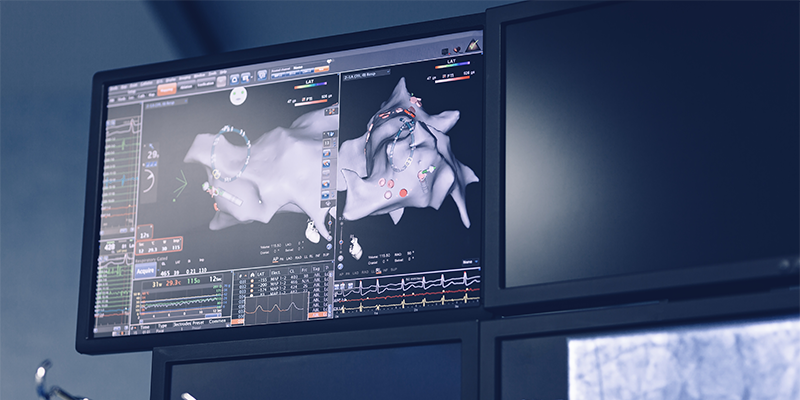
Pulsed Field Ablation (PFA) and the Ongoing Need for Hybrid AF Therapy in Long-Standing Persistent Afib
Long-standing persistent atrial fibrillation (LSPAF) represents one of the most challenging forms of...
5 MIN READ

Half of CABG Patients with Afib Are Still Being Left Behind – and the Data Proves It
A major new study confirms: when it comes to treating Afib during bypass surgery, doing nothing has...
5 MIN READ
Concomitant Surgical Ablation Using a Novel Bipolar Radiofrequency Clamp: Outcomes from the TRAC-AF Registry
Shults, C. et al. (2025). J. Clin. Med. doi:10.3390/jcm14238360 Introduction The Tracking Results of...
4 MIN READ
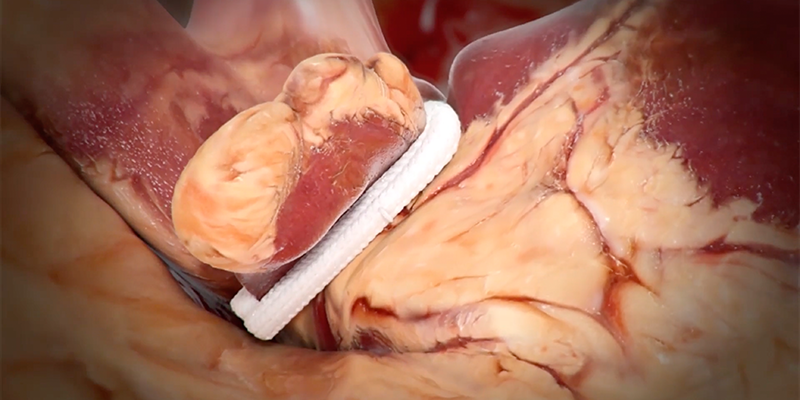
Long-Term Follow-Up of Left Atrial Appendage Exclusion: Results of the V-CLIP Multi-Center Post-Market Study
Zias, E. et al. (2025). Journal of Clinical Medicine. doi:10.3390/jcm14155473 Introduction The V-CLI...
7 MIN READ
Three-year Outcomes of the Post-Approval Study of the AtriCure Bipolar Radiofrequency Ablation of Permanent Atrial Fibrillation Trial
The Evidence Is In and Has Been for Years: How The ABLATE Studies Set the Standard and Hold Strong...
2 MIN READ

A New Beat: How One Surgery Helped Dorsey Reclaim His Rhythm
Dorsey Wheeler, a dedicated music store owner, experienced a decline in his health due to aortic val...
Media Releases
A Life-Saving Discovery of a Rare Tumor Led to a Life-Changing Afib Treatment
MASON, Ohio --July 21, 2026-- What began as routine care for atrial fibrillation became an opportunity for a more lasting solution. After 14 years of living with Afib, Gloria Lawless arrived for a cardioversion treatment, but an additional scan revealed a rare tumor hidden in her heart. This discovery changed her treatment plan and gave doctors a unique chance to treat her irregular heart rhythm directly.
PM-US-4849A-0827-G